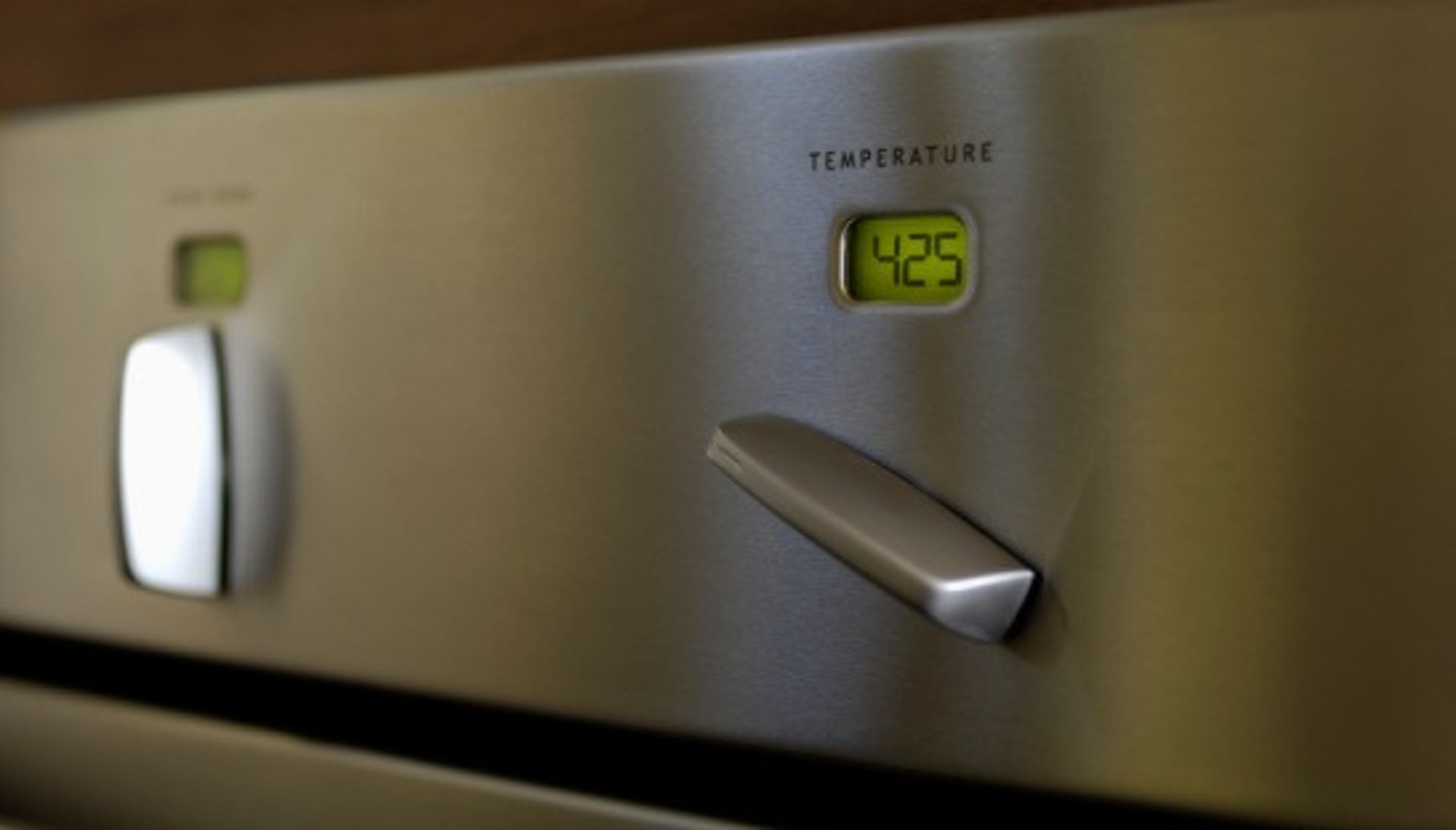
GE Appliances: American Engineering with a Long History
General Electric helped define the American kitchen. Their appliances have been in Minneapolis homes since before World War II, and while the company has changed ownership — GE Appliances is now owned by the Chinese company Haier — the product line retains its distinct engineering DNA. GE machines are designed differently from Whirlpool products, use different control systems, and have their own set of common failure patterns.
I've repaired GE appliances through every era: the harvest gold ranges of the seventies, the Hotpoint-branded value line of the eighties, the Profile series of the nineties, and the current Cafe and Profile smart appliance lineup — refrigerators, washers, and more. Each generation brought new technology and new challenges. The older GE machines were mechanically straightforward but electrically primitive. The newer ones are electronically sophisticated but mechanically simpler. My experience spans both worlds.
GE's Unique Design Philosophy
GE uses proprietary control platforms that don't share anything with Whirlpool. Their washer uses a different motor technology, their refrigerator control boards use a different communication protocol, and their oven control algorithms are written in-house. This means a technician trained only on Whirlpool machines will struggle with GE products, and vice versa.
One area where GE excels is their diagnostic documentation. GE publishes detailed service manuals with wiring diagrams, component test procedures, and troubleshooting flowcharts. I've collected these manuals for decades, and combined with my hands-on experience, I can trace an electrical fault through a GE machine systematically rather than guessing.
Common GE Issues I See
GE Refrigerator Motherboard Failures
GE refrigerators from the 2015-2020 era use a main control board that occasionally fails, causing erratic temperature control or a completely dead unit. The board communicates with multiple temperature sensors and fan motors. I test the board's outputs against expected values to confirm the failure before replacing an expensive component.
GE Washer Lid Lock Issues
GE top-load washers have a lid lock mechanism that must engage before the cycle starts. When the lock fails, the washer appears dead. The lock assembly is a common replacement part and I carry it in my van.
GE Gas Range Ignition Problems
GE gas ranges use a spark ignition system for the surface burners and a hot-surface igniter for the oven. The spark module can fail, causing one or more burners to not ignite. I test each ignition circuit individually to isolate whether it's the module, the switch, or the electrode.
GE Parts Availability
GE Appliances maintains strong parts availability through their own distribution network. The Haier acquisition actually improved parts logistics in some areas. I source GE factory parts through authorized channels and carry the highest-failure items in my service vehicle. For older GE models that are out of production, I know the aftermarket sources that make quality replacement components.